Websites for nutritionists and dietitians: what to include to win clients
People looking for a nutritionist want to know how you work, whether you see clients online and the cost. What your website needs to fill your diary.
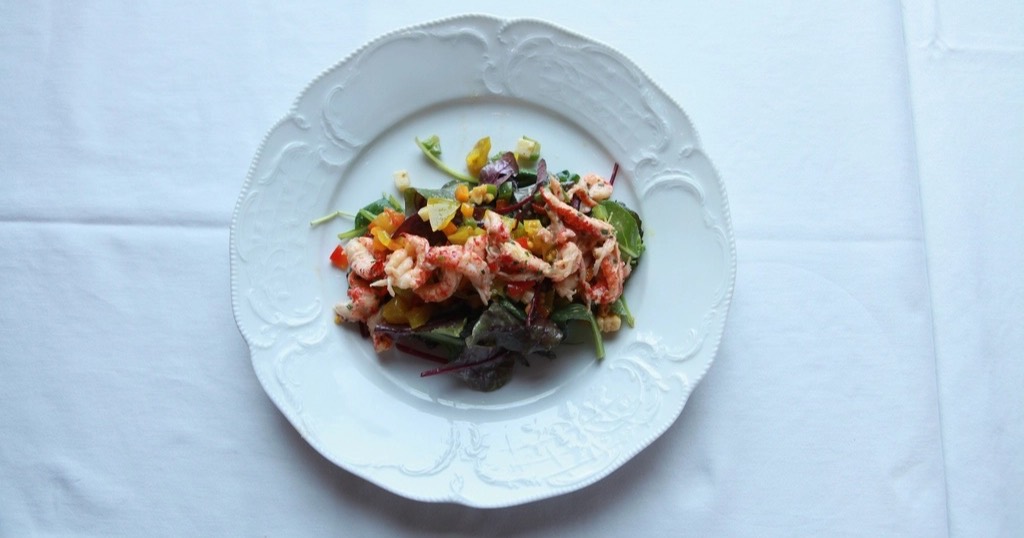
Someone looking for a nutritionist has usually been thinking about it for a while. They have tried diets on their own, seen countless contradictory tips on social media and now want someone who can genuinely help. They arrive at your website keen, but also wary. A website for nutritionists has to come across as rigorous and approachable at once.
What clients look for on a nutritionist's website
- How you work: set meal plans or learning to eat well, how often follow-ups happen, whether you support people between sessions.
- What you specialise in: weight loss, sports nutrition, digestive health, pregnancy, children, plant-based eating…
- Whether you work online, in person or both.
- What it costs: the first consultation and the following ones, or packages.
- Who you are: your training and professional registration, if you have one.
Your approach, without jargon
What most sets one nutritionist apart from another is how they work. Explain it on your website as you would in a first consultation: what happens in it, what you will ask for, what follow-up looks like. Someone who reads it and thinks "this is what I need" has half decided.
One page per specialty on a nutritionist website
"Sports nutritionist" and "pregnancy nutritionist" are different searches and different audiences. If you cover several specialties, a page for each helps you appear on Google and with AI assistants when someone looks for exactly that. See one page per service.
Online consultations
If you see clients by video call, say so clearly: how it works, what is needed and that it can be done from anywhere. For a nutritionist, online consultations open the door to clients in other cities and countries. If you work in several languages, say that too.
Clear prices
First consultation, follow-ups, support packages. Many people do not book because they do not know what it costs. More in should you show prices on your website.
Handle with care
- No promises like "lose 10 kilos in a month". Beyond not being credible, health advertising has its own rules; check those of your professional body.
- Testimonials with clear permission and no health details that could identify anyone. Ideas in testimonials on your website.
- Before-and-after photos: very carefully, or better not at all.
- Legal pages, especially privacy if a form collects health data. Overview in legal pages for a business website.
Online booking
Letting clients choose a day and time for their first consultation from the website, without calling, is a real nudge for someone who has been hesitating. They leave their name, email and phone and get an email confirmation.
Content that attracts clients
Nutrition questions are searched around the clock. A few clear, rigorous answers to what you are asked most, in FAQs or a blog, bring visits and show how you work. More in FAQs on your website.
What a website for nutritionists costs
A website with your specialties on their own pages fits the Professional plan (€499 + VAT where applicable), and with online booking, the Online booking plan (€599 + VAT), complete website included. A one-off payment, ready for Google and for AI assistants to find you. Work out yours in the cost calculator.
Questions a nutritionist's website should answer
Before booking, people tend to have the same doubts. Do you give set meal plans or teach people to eat well? How often are follow-ups? Does it work the same online? Do you have experience with my case? If a nutritionist's website answers that, clients arrive with confidence and know what to expect. In addition, those questions are typed into Google and ChatGPT every day.
That is why each specialty should have its own FAQs, with rigorous answers and no promises. For example: "The first consultation lasts an hour and includes a review of your habits". For professional and advertising standards, the British Dietetic Association is one example of a professional body; check the one in your country. To write the answers well, read FAQs on your website. Answering rigorously is the best way to stand out from social media advice.
If you work in a similar sector, the guides to a website for vet clinics and a website for personal trainers may also help.
Frequently asked questions
Should I show my registration number?
Yes, if you have one. It builds trust and in many places health advertising requires it.
Is a one-page website enough for a nutritionist?
Yes. Who you are, how you work, prices and contact are enough to start, and you can add pages later.
Recipes on the blog, yes or no?
If they help show how you work, yes. Better a few, well explained and with your own judgement.
Can clients book online consultations from the website?
Yes. With the Online booking plan clients choose a day and time and get an email confirmation, for €599 + VAT where applicable as a one-off payment. See the online booking website.